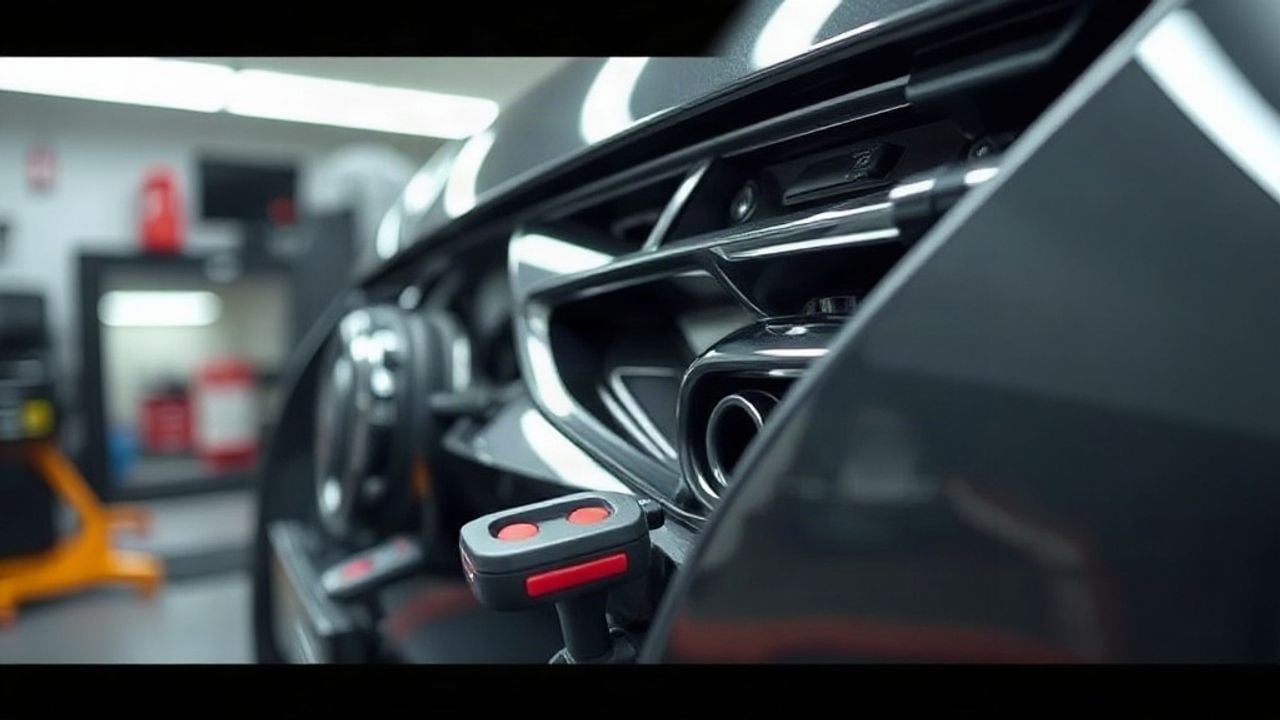
 Grande Prairie Collision RepairGrande Prairie Collision Repairs
Collision repair is an essential service for vehicle owners, particularly after accidents that can compromise the integrity and safety of their cars. Whether minor fender benders or significant structural damage, knowing where to turn for quality repairs can save you time, money, and stress. In Grande Prairie, various specialized collision repair shops provide a range of services to restore vehicles to their pre-accident conditions.
In this article, we will explore the nuances of collision repair, what to expect, and tips for finding the right service provider. The focus will be on the importance of professionalism and quality in the industry, as well as how local companies stand out in their capabilities learn more.
Understanding the Collision Repair Process
The collision repair process typically begins with an initial assessment to determine the extent of vehicle damage. This is followed by estimating the costs and necessary repairs based on the findings. Most repair shops in Grande Prairie will check various parts, including the body panels, frame, and internal components to ensure no underlying issues exist. Once this is complete, the actual repair work takes place, broken down into several key phases.
The first phase involves removing any damaged parts, which may include bumpers, panels, or even internal components like the suspension system. Once those parts are out, technicians will inspect the frame and undercarriage for hidden damage. Depending on the severity, parts might be repaired or replaced. Most collision repair experts recommend using Original Equipment Manufacturer (OEM) parts when replacing damaged components to maintain vehicle integrity and warranty coverage.
After the mechanical repairs are completed, the vehicle is usually painted to match its original color. Quality paint matching techniques ensure that the repair work is nearly indistinguishable from the rest of the vehicle. For detailed information on this subject, .
Common Types of Repairs
Collision repairs encompass various services tailored to different types of damage. Some common repairs include dent removal, paintless dent repair, frame straightening, and structural repairs. Depending on the circumstances of the accident, you might also encounter repairs addressing airbags, electrical systems, or additional mechanical repair needs. Understanding these options will help vehicle owners make informed decisions about their repair needs.
Choosing the Right Collision Repair Provider
Selecting the right collision repair provider in Grande Prairie requires careful consideration of multiple factors. One of the first questions to ask is whether the shop holds an appropriate certification from recognized organizations within the auto repair industry. Such certifications indicate a commitment to quality service and industry standards. Additionally, considering customer reviews and testimonials can provide valuable insights into the reputation and reliability of a collision repair shop.
Another crucial element to consider is the expertise of technicians. Collision repair specialists should have experience with your vehicle make and model. Specialized training and a solid background in both mechanical and aesthetic repairs will ensure that your vehicle receives the best care possible.
It’s also essential to ask about the types of warranties offered on repairs. A reputable collision repair company in Grande Prairie should stand behind its work, providing warranties on parts and labor for a reasonable period. This added assurance can provide peace of mind for vehicle owners who are dealing with the aftermath of an accident.
The Cost of Collision Repair
Understanding the costs associated with collision repair can vary widely, depending on the damage and the type of repair services needed. Minor repairs—such as small dent removal or scratch repairs—may only set you back a few hundred dollars. Conversely, more extensive damages requiring frame realignment and replacement parts can run into the thousands.
Insurance coverage plays a significant role in out-of-pocket costs. Some policies cover specific types of collision repair, while others may have deductibles that the vehicle owner needs to pay first. Therefore, it’s essential to review your insurance policy beforehand and consult your agent if you have any questions.
In addition to direct repair costs, consider potential future expenses. Cars that have been involved in accidents may require additional maintenance down the line, especially if repairs were done improperly. Choosing a qualified collision repair provider is crucial to minimizing such risks.
For further insight regarding pricing details, you might want to explore the automotive collision repair topic.
Steps to Take After a Collision
- Ensure Safety: After an accident, check for injuries. If it's safe, move the vehicle out of traffic to prevent further incidents.
- Assess Damage: Take photos of the vehicle's damage and any other vehicles involved. This documentation is vital for insurance claims.
- Contact Your Insurer: Notify your insurance company about the accident. They may provide guidance on next steps and preferred repair services.
- Find a Collision Repair Shop: Research local collision repair shops in Grande Prairie, checking reviews and certifications.
- Obtain Estimates: Visit a few shops for repair estimates. Make sure they include details on the necessary repairs and parts.
- Choose and Schedule Repairs: Once you've decided on a provider, schedule your repair work. Ensure to ask about timelines and warranty coverage.
Tips for a Smooth Repair Process
Proper preparation can streamline your collision repair experience significantly. Follow these essential pieces of advice:
- Keep detailed records of all communications with your insurance company and repair shop.
- Ask questions about the repair process and seek clarification on any terms you don't understand.
- Find out if the shop uses quality parts and materials to ensure the longevity of your repairs.
- Maintain an open line of communication with the shop during repairs, especially if unexpected issues arise.
- Consider obtaining a second opinion if you feel uncertain about the first estimate you receive.
Frequently Asked Questions
What is Collision Repair?
Collision repair is a set of procedures that aim to bring a vehicle back to its pre-accident state. This typically involves bodywork, repainting, and necessary adjustments to mechanical components, ensuring that the vehicle is safe and roadworthy after repair.
How do I choose a Collision Repair provider?
To choose a collision repair provider, look into their certifications, examine customer feedback, evaluate the skills of their technicians, and check the warranties available on their services. Paying attention to these details will ensure that the repairs meet high standards.
How much does Collision Repair cost?
The cost associated with collision repair can differ significantly based on the severity of the damage and the nature of the required repairs. Simple repairs might only cost a few hundred dollars, while major repairs could escalate to thousands. Your insurance coverage also plays a role in determining your out-of-pocket costs.
Repairing collision damage is essential for ensuring your vehicle not only looks good but also operates safely and efficiently. Being familiar with the repair process, knowing how to choose a reputable provider, and understanding potential expenses will empower vehicle owners to make smart choices that enhance their investment over time.
Your car requires the best possible care, making it vital to seek professional help. Whether dealing with a small scratch or significant structural damage, it's important to rely on skilled technicians in Grande Prairie to effectively restore your vehicle.